How to Get Out of a Dinner Rut (When You Keep Making the Same Meals)
How to get out of a dinner rut without overhauling your week: swap one meal at a time, cook the recipes you've saved and make fewer decisions.
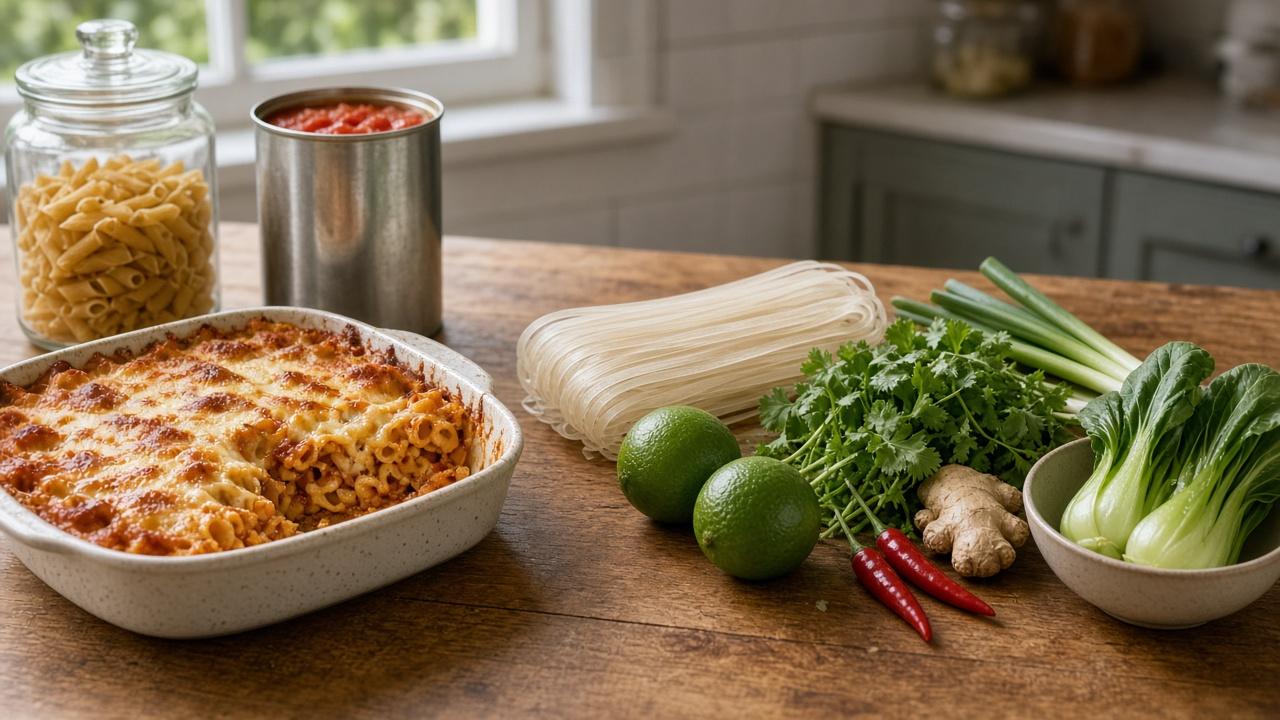
If you want to know how to get out of a dinner rut, the honest answer is that you probably don't need hundreds of new recipes. You need a few new dinners that actually stick, a way of using the ideas you've already saved, and fewer decisions to make each week. A rut is rarely a cooking problem. It's usually a deciding problem that shows up as the same five meals on repeat.
I see this constantly in threads on Reddit and parenting forums: someone who can cook perfectly well, listing bolognese, chilli, fajitas, a pasta bake and something beige from the freezer, asking for ideas because they're sick of all of it. The replies fill up with recipes. Most of them will never get cooked, because the problem was never a shortage of ideas.
Here's what I think actually causes a dinner rut, and what helps.
Why do I keep making the same meals every week?
Because repeating meals is efficient. You know the shopping, you know the timings, nobody complains, and you don't have to think at 6pm. On a tired weeknight, the familiar option wins almost every time, and that's not a failing. It's your brain choosing the cheapest decision available.
The trouble is that 'what's for dinner?' gets asked every single day, and each time the easiest answer is the one you gave last week. I wrote more about that pressure in why deciding what's for dinner is harder than cooking it. A rut is just that easy answer, repeated until it gets boring.
So the fix isn't to fight repetition altogether. It's to make a slightly different answer just as easy as the old one.
Is it bad to eat the same dinners every week?
Not necessarily. Plenty of households are happy with a tight set of reliable meals, and a rotation is one of the best ways to make weeknights easier. Repetition only becomes a problem when you're bored, when someone's dreading dinner, or when you're reaching for takeaways because nothing at home appeals.
If you like the idea of a rotation but yours has shrunk to four or five meals, how many meals should be in a dinner rotation covers how big it should be. This post is about the other half: getting new meals into it without the effort putting you straight back where you started.
Swap one dinner a week, not the whole week
The most common mistake when breaking a rut is trying to overhaul everything at once. You plan seven exciting new recipes, buy a basket of unfamiliar ingredients, and by Wednesday you're back to fish fingers because the new stuff all needed more time and attention than you had.
Change one dinner a week instead. Keep the rest familiar. One new meal is low risk: if it's a flop, you've lost one evening. If it works, it joins the rotation and the rut gets a little wider every week without you noticing.
Put the new dinner on your calmest night, not your busiest. A new recipe on a late Tuesday is how good intentions end in toast.
Change one thing about a meal you already make
You don't always need a new recipe to feel like you're eating something different. Small changes to a familiar dinner can be enough:
- Same base, different flavour. Turn the usual chilli into a smoky black bean version, or swap a tomato pasta sauce for a lemony one.
- Same flavour, different format. Fajita fillings work as a rice bowl or a traybake. Bolognese can become a baked potato topping.
- Same protein, different cuisine. If chicken thighs always get roasted, try them in a quick noodle stir-fry or a curry.
These are easy wins because the shopping and technique are mostly the same, so they don't add much decision-making.
Cook from the recipes you've already saved
Most people stuck in a dinner rut aren't short of ideas. They've got hundreds of them: screenshots, bookmarked links, saved Instagram posts, a folder of recipes from three years ago. The problem is that none of those ever reach the actual plan, so they sit there while the same five meals get cooked.
Before searching for new inspiration, go through what you've already saved and pick three you'd genuinely make on a weeknight. Put one of them on next week's plan. I go into why saved recipes rarely get cooked, and how to change that, in why do I save recipes I never cook.
Let something else make the first suggestion
When you come up with dinners from scratch, you'll default to the ones you already know. It's much easier to react to a suggestion than to invent one, and it's easier to say 'yes, let's try that' to an idea in front of you than to remember an idea you saw a month ago.
That suggestion can come from anywhere. Let someone else in the house pick one dinner each week. Use theme nights, so 'noodle night' or 'something from the oven' narrows the question. Or use a tool that proposes the week for you, which is the route I took.
How Foodedo helps you break a dinner rut
I built Foodedo because I got tired of the deciding, and I noticed that when I decided, I always picked the same things. So Foodedo works the other way round from most meal planners: when you generate a plan, it picks the dinners for you first. Choosing meals yourself is optional.
The suggestions are based on simple behaviour, such as the meals you've saved, liked, used or turned down. That matters for a rut, because it means your plan can include recipes you saved but never got round to, alongside the reliable favourites, without you having to remember them. If a suggestion doesn't suit, you can swap that one dinner rather than starting again.
You can add recipes you already like by importing them from a link or pasting the text in, so the ideas sitting in your bookmarks can actually turn up in a plan. To be clear about the limits, some recipe sites won't import, so occasionally you'll need to paste the text instead.
Once the week is set, the shopping list comes from the plan and stays linked to it. That helps with the other reason new recipes get dropped: unfamiliar ingredients you forgot to buy. Foodedo doesn't track your pantry, so you'll still want a quick look in the cupboards before you shop.
Make new dinners easy to repeat
A new dinner only gets you out of a rut if you cook it again. After you try something, be honest about whether it was a weeknight meal or a weekend one, and keep the ones that worked somewhere you'll see them when you plan. If it needed an ingredient you'll never use again, it probably isn't a keeper, however good it tasted.
It also helps to plan fewer dinners than you think. A week of four or five planned meals, with a leftovers night and a fallback, leaves room for a new recipe without the whole plan collapsing if one night goes sideways. If that sounds familiar, why does my meal plan fall apart by Wednesday is worth a read.
A simple way to get out of a dinner rut this week
- Write down the dinners you've cooked in the last fortnight. That's your current rotation, and seeing it on paper is often enough to show where the boredom is.
- Pick one of those meals and change one thing about it.
- Pick one recipe you've already saved and put it on your calmest night.
- Keep everything else familiar and build the shopping list from the plan.
- At the end of the week, keep whatever worked and drop whatever didn't.
Do that for a month and you'll have four or more new dinners in the mix, without a single overhaul. That's how a rut ends in real life: not with a dramatic reset, but with one different dinner at a time.